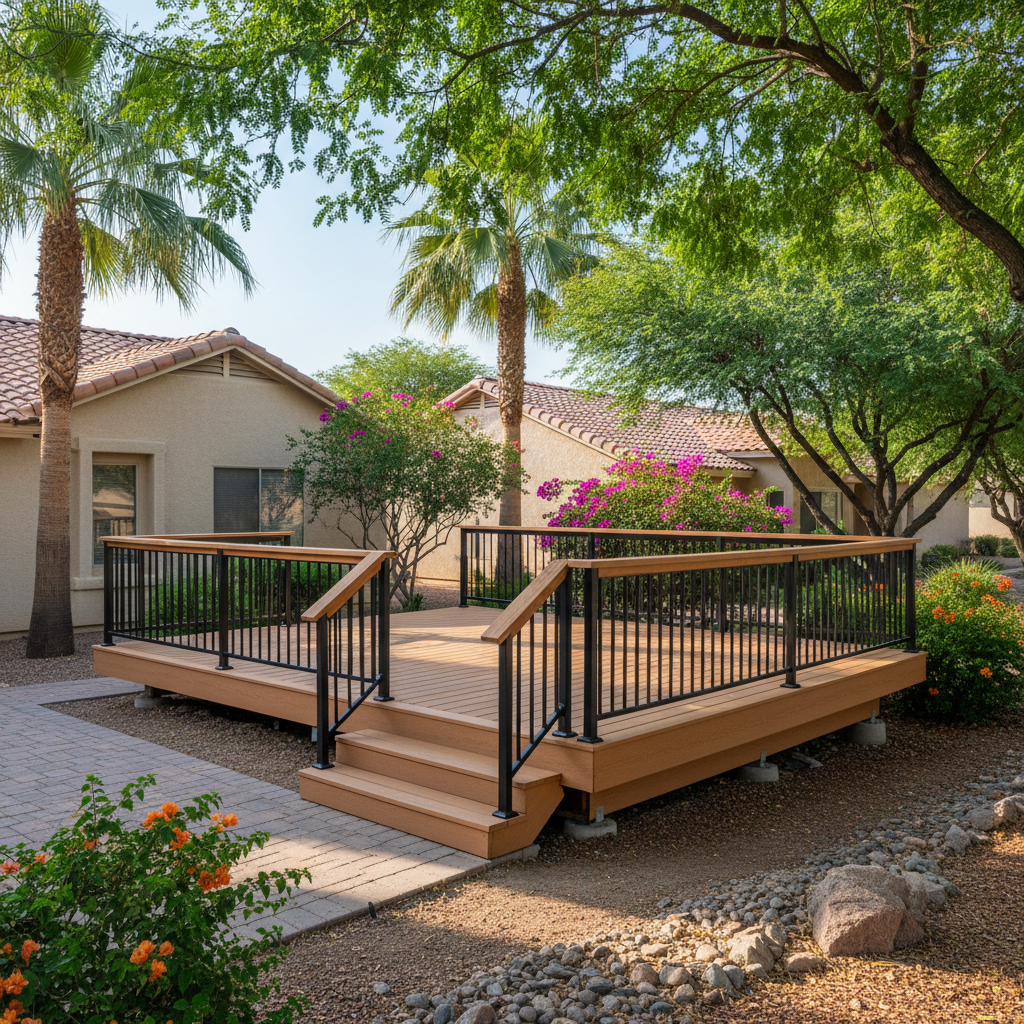
Alright, let's talk about hiring a deck builder here in Peoria. It's not always as simple as picking the first name you see online, and frankly, I've heard too many stories about folks getting burned. You're investing good money into your home, so you need to make sure you're working with someone who knows what they're doing and will treat you right. As someone who's been building decks in this town for years, I'm going to give you my honest take on what to look for.
Questions to Ask Any Deck Contractor
When a contractor shows up, don't be shy. You're interviewing them, not the other way around. Here are some key questions you need to hit them with:
- “How long have you been building decks specifically?” There’s a big difference between a general handyman and a specialist. You want someone who eats, sleeps, and breathes decks.
- “Can you provide references from recent Peoria clients?” Don't just take their word for it. Call those people up. Ask about communication, timeliness, and if they'd hire them again.
- “What’s your process for handling permits?” Here in Peoria, you'll need permits for most deck projects, especially if it's attached to your house or above a certain height. A good contractor knows this inside and out and will handle the legwork. If they shrug or say you don't need one? That's a huge red flag.
- “What kind of warranty do you offer on your work?” A reputable builder stands behind their craftsmanship. You want to know what's covered and for how long.
- “How do you handle changes during the project?” Things happen. Maybe you decide you want a different railing, or you change your mind on a color. A clear process for change orders prevents surprises and extra costs.
- “What safety measures do you take on the job site?” Especially with kids or pets around, you want to know they're thinking about safety.
What to Look For in a Quote
Don't just compare the bottom line. That's a rookie mistake. A good quote isn't just a number; it's a detailed breakdown. Here’s what it should include:
- Detailed Scope of Work: It should clearly describe everything they're going to do. Demolition, framing, decking material, railing type, stairs, footings, ledger board attachment – every single piece.
- Material Specifications: Don't just say “composite decking.” It should specify the brand (like Trex, TimberTech), the collection, and the color. Same for framing lumber (e.g., pressure-treated southern yellow pine).
- Payment Schedule: This should be clear. Typically, it’s a deposit up front, progress payments, and a final payment upon completion and your satisfaction. Never pay for the whole thing upfront.
- Inclusions and Exclusions: What's included in the price? What isn't? Does it include hauling away old materials? Does it include staining or sealing if it's a wood deck? Be absolutely clear.
- Permit Costs: Will they handle the permit application and inspections? Is the cost included or separate?
When you're comparing quotes, make sure you're comparing apples to apples. If one quote is significantly lower, it might be because they're cutting corners on materials, labor, or not including something important. Always ask why.
Red Flags to Watch Out For
I've seen some real characters in this business. Here are some warning signs that should make you pump the brakes:
- High-Pressure Sales Tactics: “Sign today or the price goes up!” Nope. A good contractor is busy and doesn't need to strong-arm you.
- Cash-Only Deals: This screams 'unlicensed' or 'tax evasion.' Don't do it. You lose all your protection.
- No Written Contract: If they just want to shake on it, walk away. Every detail needs to be in writing.
- No References or Poor References: If they can't provide any, or the ones they give you sound hesitant, that's a problem.
- Demanding Full Payment Upfront: A reasonable deposit is fine, but never the whole shebang.
- Unmarked Vehicles or No Business Cards/Website: While not always a deal-breaker, it can indicate a less professional operation.
- Trying to Skip Permits: This is a massive one. You're liable if something goes wrong and it wasn't permitted. Plus, it tells you they're willing to break rules.
How to Verify They're Legitimate
You've got their information, now check it. It only takes a few minutes and can save you a world of hurt.
- Check Their License: In Arizona, you can go to the Arizona Registrar of Contractors (ROC) website. Make sure their license is active, in good standing, and for the right classification (Residential General Contractor or a specialty like carpentry). My license, for Peoria Deck Solutions, is always up to date, and yours should be too.
- Verify Insurance: Ask for proof of liability insurance and workers' compensation insurance. Call their insurance provider to confirm it's current. If they don't have these, you could be on the hook if someone gets hurt on your property or if there's damage.
- Online Reviews: Check Google, Yelp, and other local review sites. Look for a pattern of good service, but also see how they respond to negative reviews. Everyone gets one bad review sometimes, but it's how they handle it that matters.
- Physical Address: Do they have a real business address, or just a P.O. box? A physical location can add to their credibility.
It might seem like a lot of steps, but trust me, it's worth the effort. You want a deck that's safe, beautiful, and built to last through our hot Peoria summers and the occasional monsoon. Taking the time to vet your contractor properly means you'll enjoy your new outdoor space for years to come without any headaches.